How the Lunar Calendar Sets the Year's Seasonal Festivals
The moon's phases, not just the sun's progress, set the Chinese year's festivals: Mid-Autumn falls on lunar 8/15 — the full or harvest moon — and the lunar calendar is the second clock the calendar system reconciles with the solar terms.
On the fifteenth night of the eighth lunar month, the moon rises over the harvested fields of the North China Plain the way it has risen for three thousand years: full, low, and bright enough that a farmer can count straw bundles from across the threshing floor. This is not a poetic accident. It is the mechanism. The harvest moon is not a metaphor for Mid-Autumn — it is the reason Mid-Autumn exists. The festival is not attached to the moon like an ornament; the moon is the date.
Two Clocks, One Year
Most English-language explanations of the “lunar calendar” treat it as a list of Chinese holiday dates in a reference table: Mid-Autumn on the 15th of the 8th lunar month, Spring Festival on the 1st of the 1st, Dragon Boat on the 5th of the 5th. Useful, but it reduces the moon to an icon the festivals hang on rather than an instrument that does work. The deeper truth is that the traditional Chinese calendar system runs two clocks at once — and the festivals are set precisely where each clock makes the season legible.
The first clock is the sun. The 24 solar terms divide the solar year into twenty-four segments of roughly fifteen days each, tracking the sun’s progress through the sky. This is the axis of agriculture: 立春 (Start of Spring), 芒种 (Grain in Ear), 秋分 (Autumn Equinox). It is fixed to the year and tells the farmer when to plow, when to sow, when to harvest. This is the axis of farming civilization — the phenological observation that guided five thousand years of cultivation.
The second clock is the moon. One lunar month runs 29.5 days from new moon to new moon, and the traditional calendar counts those lunations. This is the axis of the month and the night: it tells people what day it is by simply looking up, and it lights the fields for night labor.
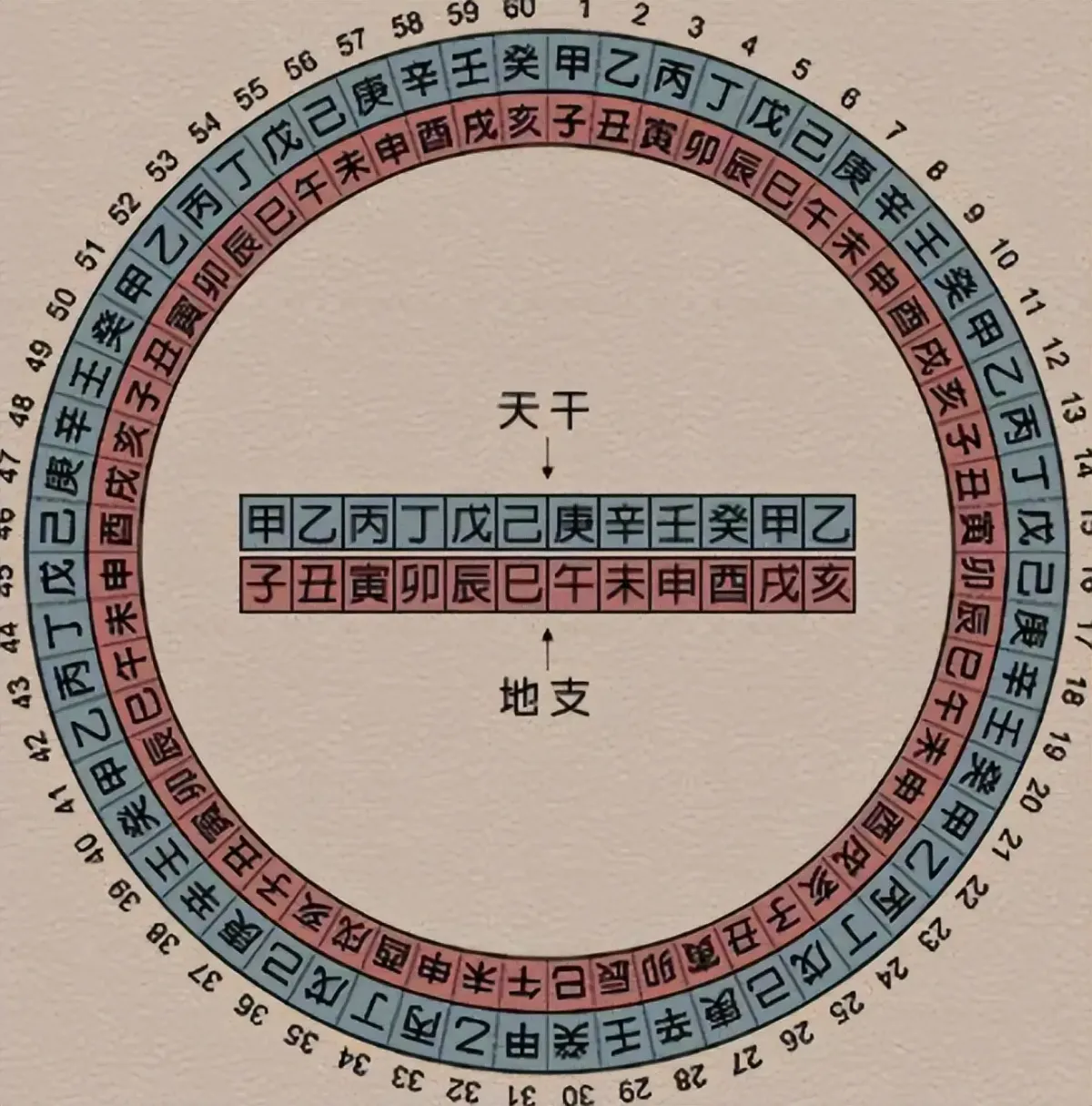
What the Day Number Actually Means
Here is the fact that makes everything else fall into place: in the traditional lunar calendar, the number of the day is the phase of the moon. The 1st of any lunar month is the new moon. The 7th and 8th are the first quarter. The 15th is the full moon. The 22nd and 23rd are the last quarter. There is no guesswork — the calendar and the sky agree, because the calendar was built from the sky.
So when someone says “Mid-Autumn is the 15th of the 8th lunar month,” they are not giving you a date. They are telling you: the full moon of the harvest month. The eighth lunar month falls around the autumn equinox, at the peak of the autumn harvest, when the grain is in and the threshing floors are alive with work. The festival is pinned to the one night when the moon does the lighting itself. One calendar for the sun, one for the moon — and Mid-Autumn is where the moon writes the date itself.
The Intercalary Month: How the Two Dials Stay in Sync
But here is the problem the system had to solve. Twelve lunar months add up to about 354 days — eleven days short of the solar year. If nothing were done, the lunar New Year would drift backward through the seasons; within a few decades it would land in autumn, and the “Spring” Festival would become a harvest feast. The Chinese calendar solved this with intercalary months: roughly every two or three years, a thirteenth month is inserted, stretching the year to about 384 days. This is the reconciliation mechanism. It is what keeps the lunar New Year anchored near 立春, the start of spring, and keeps Mid-Autumn’s full moon inside the harvest season.
This is the genius that a festival-date table makes invisible. The solar terms and the lunar months are not two separate calendars that happen to coexist. They are two dials of one timekeeping system, deliberately reconciled. The Dengfeng Star Observation Platform in Henan — China’s oldest surviving astronomical observatory — stands as a monument to the solar dial. There, in the Yuan dynasty, the scientist Guo Shoujing enlarged the gnomon to forty chi and measured the summer solstice shadow with a precision that differs from today’s standard time by only twenty-six seconds. That is how seriously the solar axis was taken. The lunar axis was reconciled to it with equal seriousness, one intercalary month at a time.
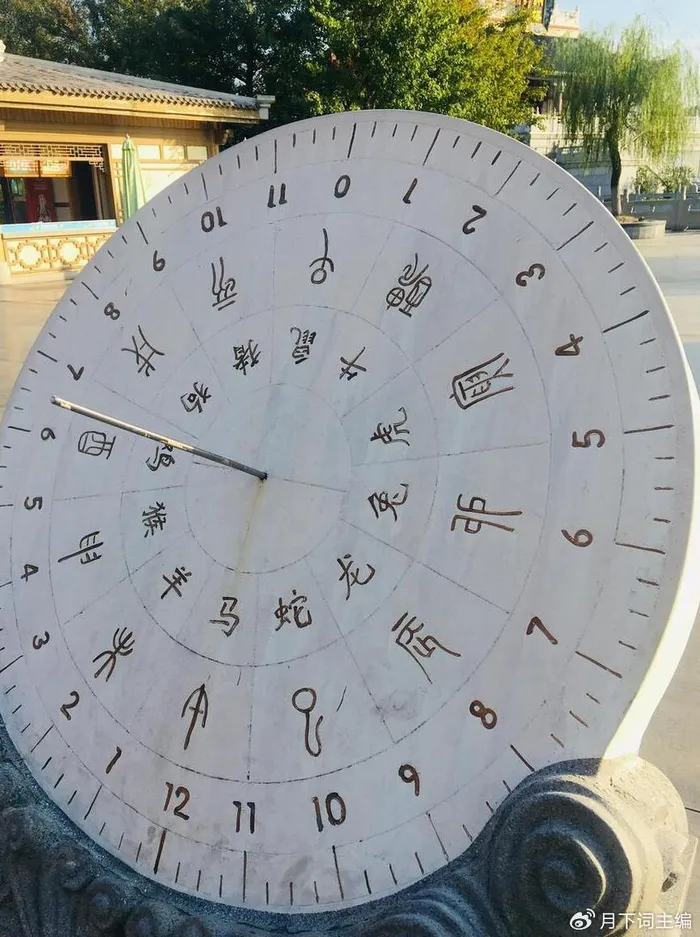
Two Festival Families — and an Honest Complication
Once you see the two axes, the festival map of the year becomes legible. The sun-linked family clusters around the return of light: the Spring Festival, anchored near the start of spring, is the great festival of the solar axis — the renewal of the growing season. The moon-linked family clusters around the full moon: Lantern Festival on the 15th of the 1st month, Mid-Autumn on the 15th of the 8th. Both are full-moon festivals, and both are lit by the moon doing the lighting.
But I should be honest with you: not every traditional festival is a moon-phase festival. Dragon Boat on the 5th of the 5th and Double Ninth on the 9th of the 9th are “double number” days — they follow a logic of numerical symmetry, not lunar phase. The system is not a single tidy rule. It is a layered accumulation of centuries, and the layers do not always agree. That friction is part of the heritage. It is what makes the calendar a living document rather than a clean abstraction — and it is why even many Chinese people today, myself included, sometimes need to look an intercalary month up before converting a date.
How Farmers Actually Read the Double Clock
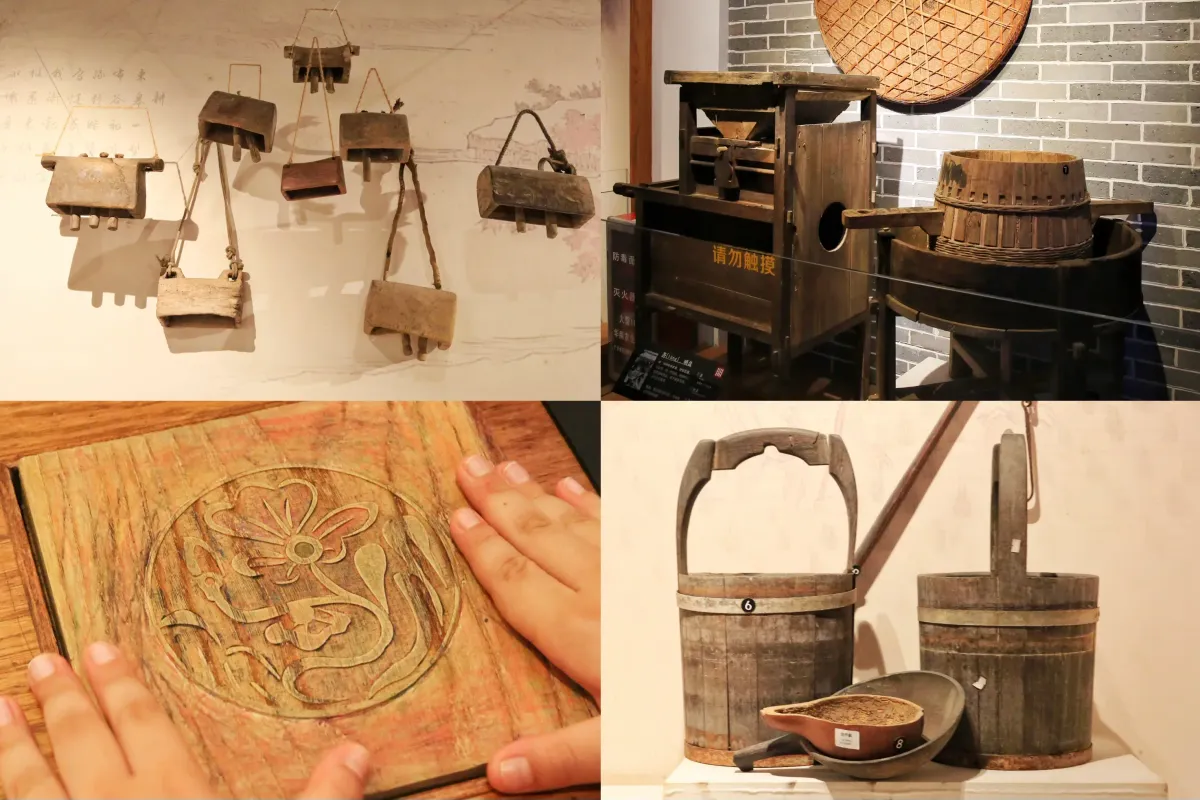
In my fieldwork in rural Henan, I have sat under village trees with elderly farmers who can recite solar-term proverbs from memory — and who will also tell you, without bitterness, that global warming has shifted their planting schedule by nearly half a month from what their grandfathers knew. The solar terms still govern the growing season; that is the sun’s work. But the moon governs the month and the night. Before electric light reached the countryside, the full moon was a working light: farmers threshed by it, transplanted rice seedlings by it, moved goods by it. The lunar calendar was not mystical. It was a lighting schedule.
This is the cultural context most festival-date lists miss entirely. The moon did not merely mark celebrations; it enabled labor. The 15th was the night you could work after dark, which is why the great full-moon festivals cluster around harvest: the work was possible, the moon made it visible, and the celebration followed. When you read ancient agricultural texts — the 古农书 in the research library at the China Agricultural Museum — you find the moon appearing not in ritual chapters but in the practical ones: which nights to plant, which nights to irrigate, which nights to thresh.
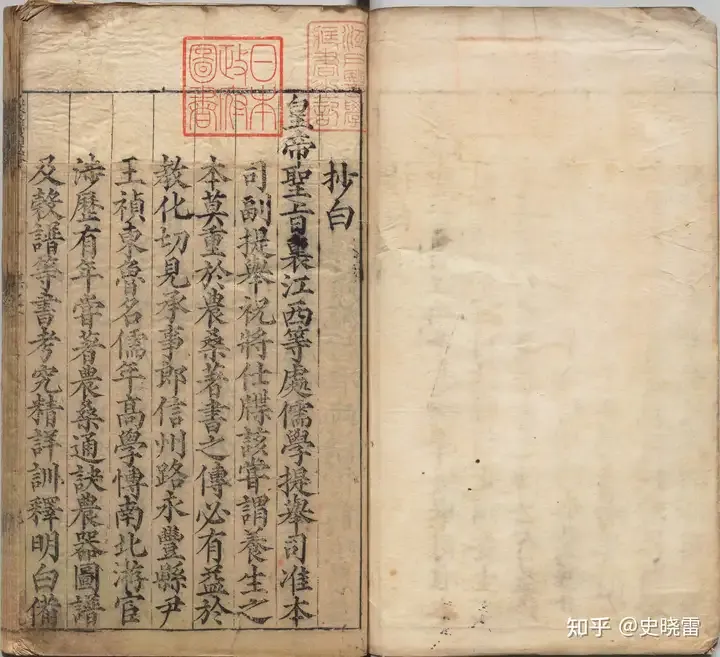
A Practical Rule for Reading Any Lunar Date
So when you next encounter a traditional lunar date, decode it in three gestures.
First, the day number is the moon phase. The 1st is a new moon; the 15th is full. A date on the 15th is, by definition, a full-moon date. No conversion needed.
Second, the month number tracks the lunation, not the season. A lunar month belongs to a season only loosely. The eighth lunar month is usually autumn, but the intercalary mechanism means it can slip. Do not assume.
Third, check whether the year carries an intercalary month before you convert anything mentally. A thirteenth month inserted somewhere in the year shifts every subsequent date. This is the mechanism that keeps the whole system honest — it is why the lunar New Year stays near spring, and why the harvest moon stays in the harvest.
When you hear “the 15th of the 8th lunar month,” you now know what it means without looking anything up: the full moon of the harvest month. The moon wrote the date itself.
The Principle Beneath It All
The deeper principle is what the solar term tradition calls 天人合一 — the harmony of heaven and humans. The Chinese calendar system never chose between the sun and the moon. It refused to choose. It ran both dials, reconciled them with intercalary months, and built a year in which the farmer reads the sun for the season and the moon for the month, and the festival-goer reads both at once. This is not a crude shadow of the solar year. It is a more complete timekeeping — a system that treats the year as a conversation between two lights.
Tonight, if the sky is clear, step outside and look up. Whatever phase the moon is in, the traditional calendar already has a name for that day — and that name is the moon itself. The festivals are not decorations pasted onto the calendar. They are the moments when the calendar’s second clock becomes visible, and the moon does the lighting. That is not a fossil. That is living time, still keeping the year for anyone who cares to read it.
For more of how this year is read from both dials, explore the Seasonal Guides hub.
Related Solar Terms
Latest Articles
Recent guides and seasonal insights
From Dao of Seasons
Mid-Autumn Festival: the Full-Moon Harvest of the Third Quarter
Mid-Autumn Festival falls on lunar 8/15 — the full moon of the harvest month. In 2026 it lands on September 25, inside the same week as the equinox and the Harvest Moon. The traditions, foods, and moon-viewing culture of the year's great moon festival.
Autumn Transition Guide: Reading the Six-Week Turn from Summer to Autumn
Autumn does not arrive in a day — it arrives across a six-week process spanning three solar terms: Start of Autumn (立秋), End of Heat (处暑), and White Dew (白露). Learn to read the staged signals — light first, then dew, then animal behavior — so you move with the season before the temperature ever changes.
August Vegetables: The Row-by-Row Guide to the Late-Summer Garden
A row-by-row guide to August vegetables: nightshades and sweet corn at their zenith, the cucurbit glut, the first winter squash, allium harvest and curing, and seed-saving — anchored in the solar terms Start of Autumn (立秋) and Limit of Heat (处暑).
From Our Network
Winter Warming Stews — Lamb, Congee & Tang Yuan
Winter calls for deeply warming, nourishing foods that support the body through the coldest months. These three classic recipes — lamb stew, eight-treasure congee, and tang yuan — are traditional winter solstice fare.
When Does Autumn Start? Astronomical, Meteorological, and Seasonal Dates Explained
Autumn does not have one start date. Meteorological autumn begins September 1. Astronomical autumn starts at the equinox, around September 22–23. In the 24 solar terms, autumn begins earlier, with Start of Autumn around August 7–8. Each system measures a different kind of seasonal change.
July Garden — Peak Summer Care and Harvest
July's garden demands daily attention. From deep watering strategies to succession planting, here's how to keep your garden productive through the hottest weeks of the year.
July Walking — Summer Strolls and Moonlit Rambles
Walking in July is about timing. Learn the best hours, routes, and practices for comfortable summer walking — from dawn patrols to night walks under the stars.
Solar Terms FAQ — Answers to Common Questions About All 24 Solar Terms
Comprehensive FAQ covering all 24 solar terms — what each term means, when it occurs, what foods to eat, how to practice seasonal wellness, and what natural changes to observe. Organized by season for easy browsing.
Written by The Way of Nature
Dao of Seasons is part of The Way of Nature ecosystem — a network of seasonal practice, food wisdom, and nature observation.
Meet our contributors →